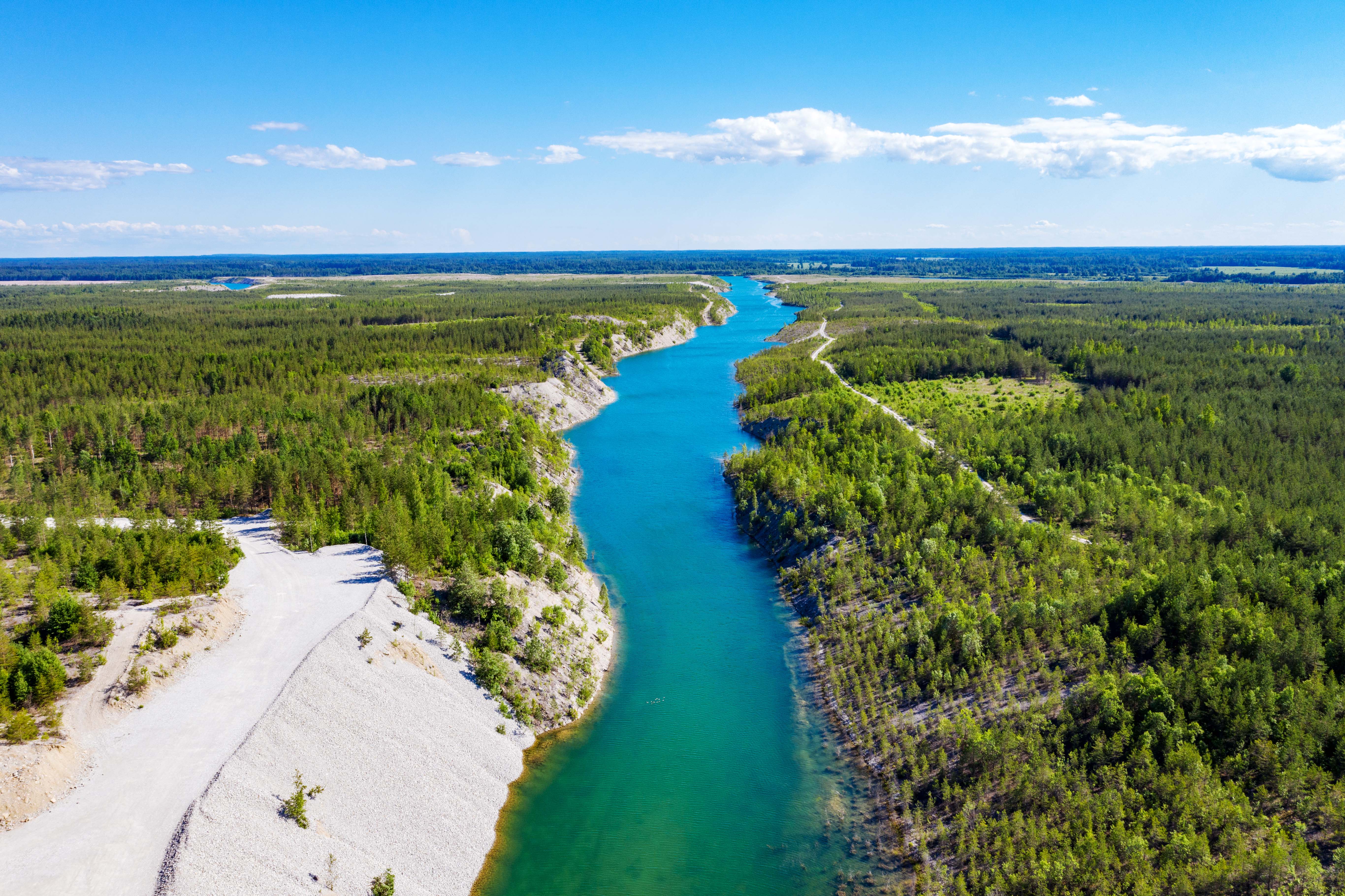
The second day includes field trips to rivers, wetlands, farmlands, meadows and post-industrial landscapes. We’ll also meet local farmers, innovators and conservationists.
Click on each field trip headline to view the full description.
Field Trip No 1:
Rivers and Mires
Time & date: September 9, 8:30-17:30
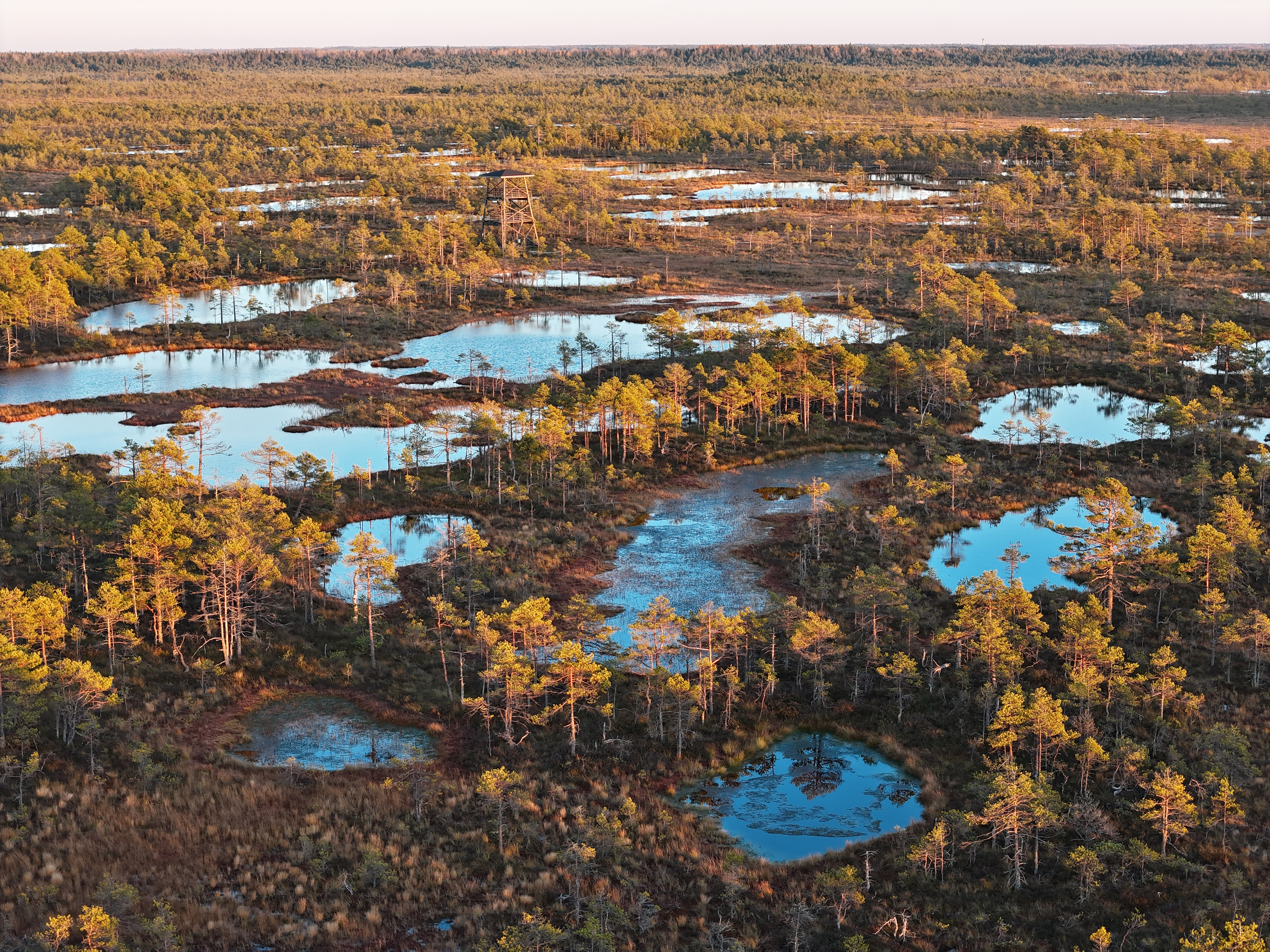
This field trip gives an overview of Lahemaa National Park’s mires and fast-flowing rivers which rush from Harju plateau over the North Estonian Klint (limestone escarpment) to the Baltic Sea. These rivers are home to salmonid species and to the longest-lived and one of the rarest animals in Estonia – freshwater pearl mussel. In recent decades rivers, streams and mires have been the focus of several nature conservation projects to restore habitats for water-loving species.
Field Trip No 2:
Wooded Meadows and Farmlands
Time & date: September 9, 8:30-17:30
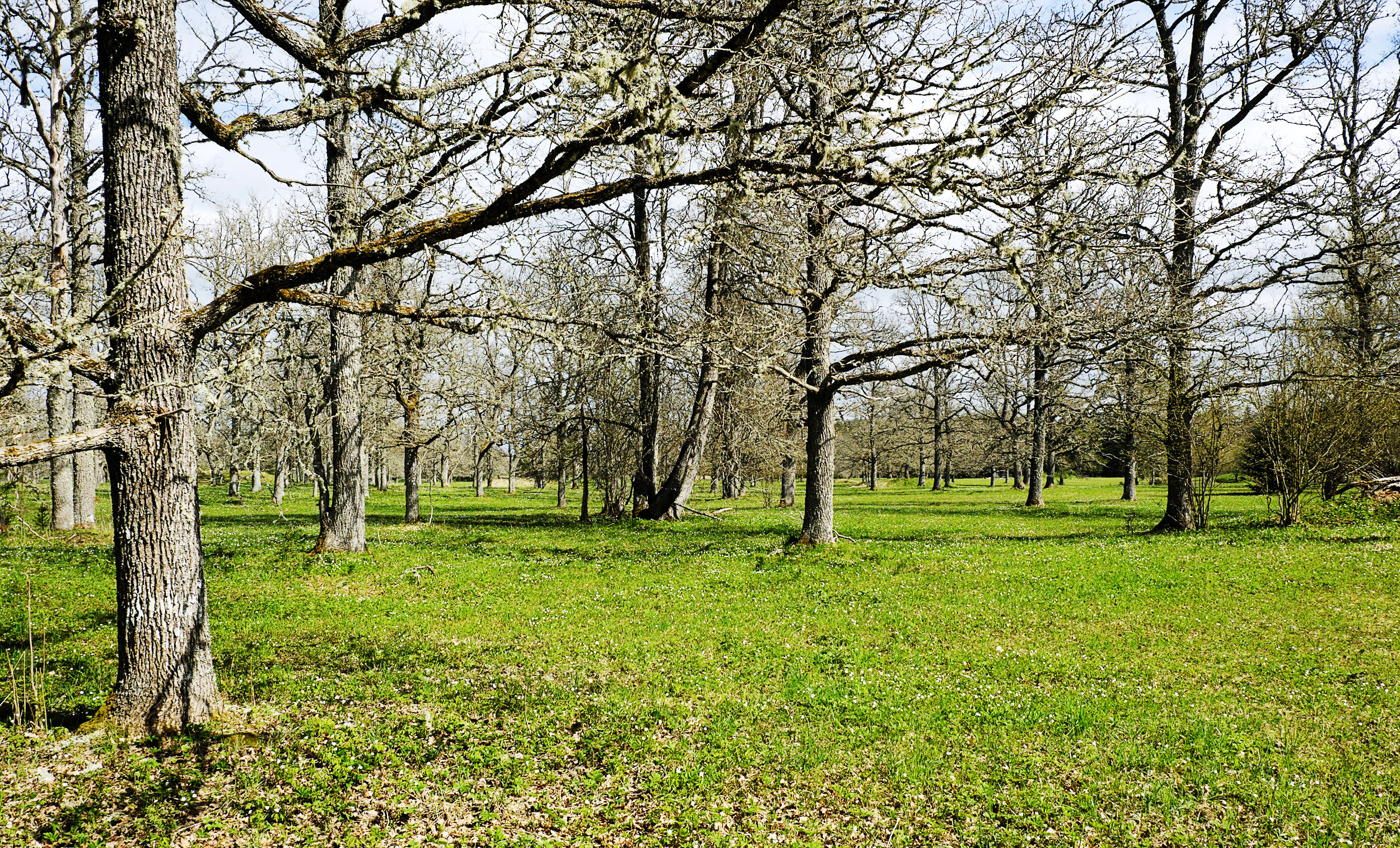
This field trip gives an opportunity to explore the largest restored wooded meadow complex in Haavakannu Nature Reserve, which aim is to protect local forest ecosystems and semi-natural grasslands. We also visit Piira farm and meet the local manager to learn about different biodiversity approaches used in agricultural land.
Time & date: September 9, 8:30-17:30
This field trip links aquatic ecosystem restoration, post-industrial landscapes and cultural heritage and offers engaging overview of how Estonia addresses environmental challenges. We will visit the RMK Põlula Fish Rearing Centre, embark on an action-packed safari in Aidu Quarry and explore Kohtla-Nõmme underground mining museum.